
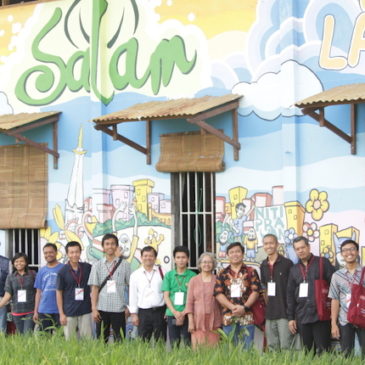
Sustainability in the youth

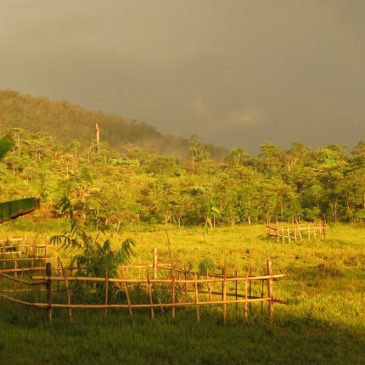
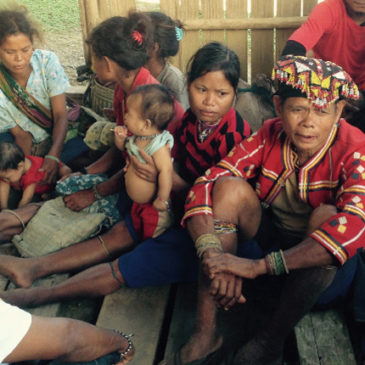
Small-scale farming and indigenous practices in the uplands of Asia are not very sustainable and a great majority of the youth wants out.  Given the marginalisation and oppression that still rule in many of these environments with exploitation by corporate “sustainable” logging and mining firms, armed groups, corporate agricultural practices, infrastructure and seeping globalisation, farming life is not a question of success but of survival.
Continuing to accompany the “stranger” in Thai prisons

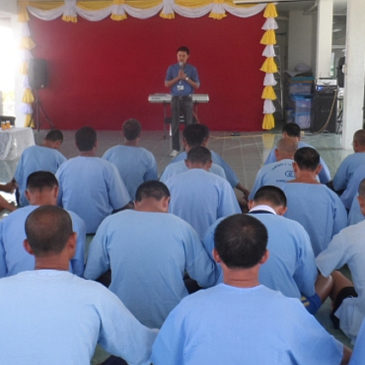
For 25 years, the Jesuit prison ministry in Thailand has been accompanying foreign prisoners primarily through providing counselling and companionship. Today, the programme serves about 1,200 prisoners spread across in 10 prisons in Bangkok and other provinces, and two prison hospitals.

This year, the team encountered a number of challenges.

Learning from Indigenous Peoples about the sacredness and sustainability of nature

The ecological crisis, the globalised call for environmental stewardship promulgated in Laudato si’ and the 2015 UN Conference on Climate Change in Paris have brought the concept of “sustainability of life” to the fore. These have raised the need for critical reflection on sustainability in the light of the innovative praxis of local communities, particularly the indigenous peoples.

Renewing life and mission in ecology

It meant three days with no Internet connection or cellular phone signal, but 35 people from 10 countries within the Jesuit Conference Asia Pacific (JCAP) happily gathered in a rural part of the Philippines for an ecology workshop in early June. They worked together, shared experiences, and developed 60 joint actions for strengthening networks, collaboration and communication as communities of practice.

Islamic principles for sustainability and the environment

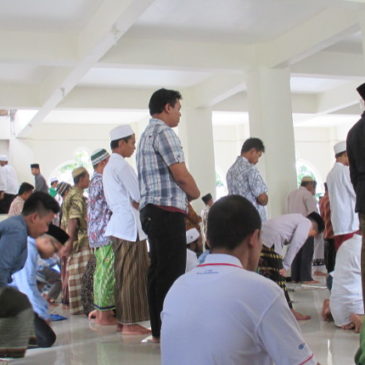
The environmental problems we face today are complex and the Church’s concern is shared by other faiths. In Islam, for example, we can find some principles of environmental ethics that deal with nature and creation. These principles are: tawhîd (God’s unity), âyat (sign of God’s presence), mîzân (balance), khalifat (God’s vicegerent) and amânat (trust).

Opening our minds to unlock our potential as a society

This World Refugee Day, the Jesuit Refugee Service (JRS) has called for everyone to embrace refugees as part of their communities by providing them with opportunities to grow and contribute to society. This means not only giving them a safe place to stay but also ensuring that they are protected from all forms of evil, including poverty, isolation, exploitation, misconception and neglect.

Standing in solidarity #WithRefugees

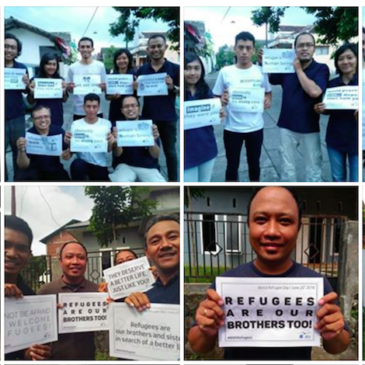
Jesuit Refugee Service (JRS) Indonesia has launched a social media campaign ahead of the celebration of World Refugee Day on Monday, June 20.

The initiative seeks to gather messages of support by asking people on Facebook to post a photo of themselves alone or with friends holding a personal statement of encouragement for people who have been displaced because of war, natural disaster or prejudice and oppression in their home countries.

Seeing modern slavery in front of my eyes

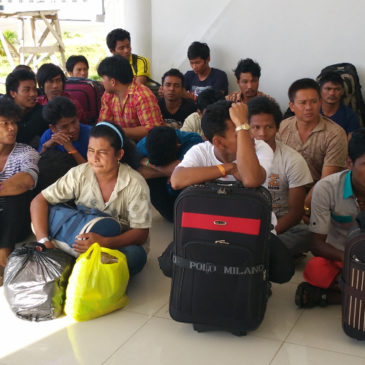
In May 2015, the International Organisation for Migration (IOM) approached the Jesuits in Jakarta for the help of Myanmar scholastics as translators for its interviews with Myanmar citizens who had been enslaved in the Thai fishing industry.  Several scholastics did so, among them Simon Kam Sian Muan, who is now back in Myanmar for his Regency.  He shares here what he learnt from the experience.